The Indago Project is a non-profit that investigates illicit finance networks, sanctions evasion schemes, fraud, and corruption using open-source intelligence. We deliver our findings to regulators, the private sector, journalists, and civil society partners to support enforcement action, strengthen transparency, and protect democratic integrity.
Illicit money moves through layered corporate structures across borders. Much of the information that exposes it is public, but piecing it together is slow, specialist work. And everyone positioned to act sees only part of the picture.
We put the pieces together and get them to the people who can act.
Every finding is sourced, documented and built to stand up to an investigator, a compliance team or an editor.
Findings go wherever they'll be used: a bank's financial crime team, a regulator, an editor, a partner NGO. Sometimes that means publication but most often our wins are private, unspoken.
Most companies and financial institutions caught up in illicit finance are being exploited, not complicit. We work with them to close the gaps.
No funder, member or partner influences what we investigate or what we find.

We combine rigorous open-source methodology with hands-on experience in financial crime investigation. Using corporate registries, trade and shipping data, procurement records and court filings, we trace how networks are built and where the money goes. Our focus is transnational networks touching the UK, US and EU but money knows no borders.
When one door closes, illicit networks reroute. Our aim is to give enforcement, industry and media what each needs to act at the same time, so a network is disrupted on several fronts at once.
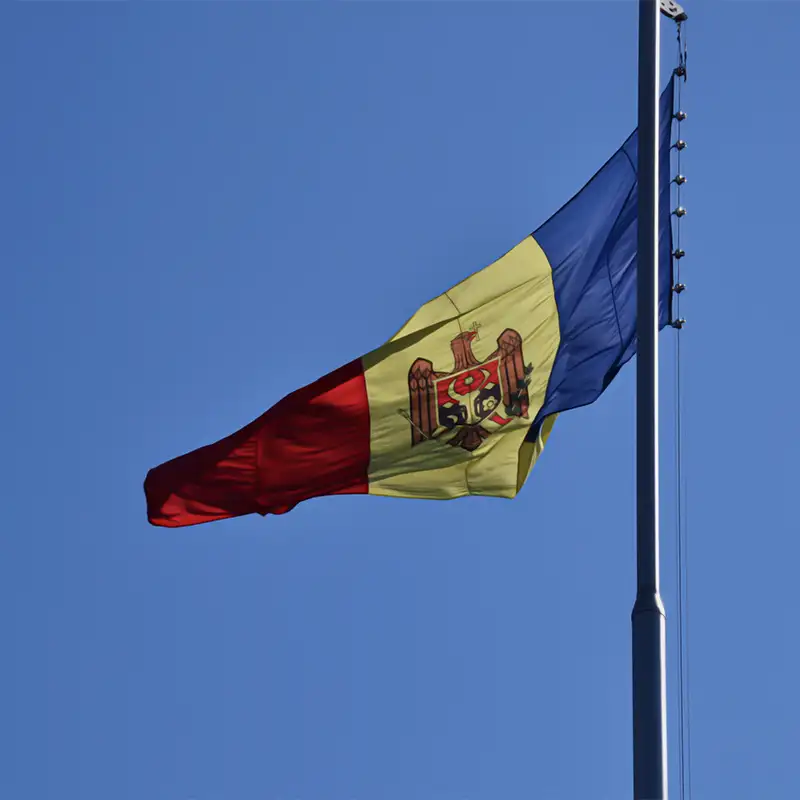
A7 is a Kremlin-backed payments network run by fugitive Moldovan oligarch Ilan Shor. Russia's defence-linked Promsvyazbank owns 49% of it. It is marketed as crypto innovation, but it runs on ordinary correspondent banking. Front companies in Kyrgyzstan, Hong Kong, the UAE and elsewhere use falsified trade documents to move hard currency through major banks. The money serves Iranian oil sales, weapons procurement and cybercriminals.
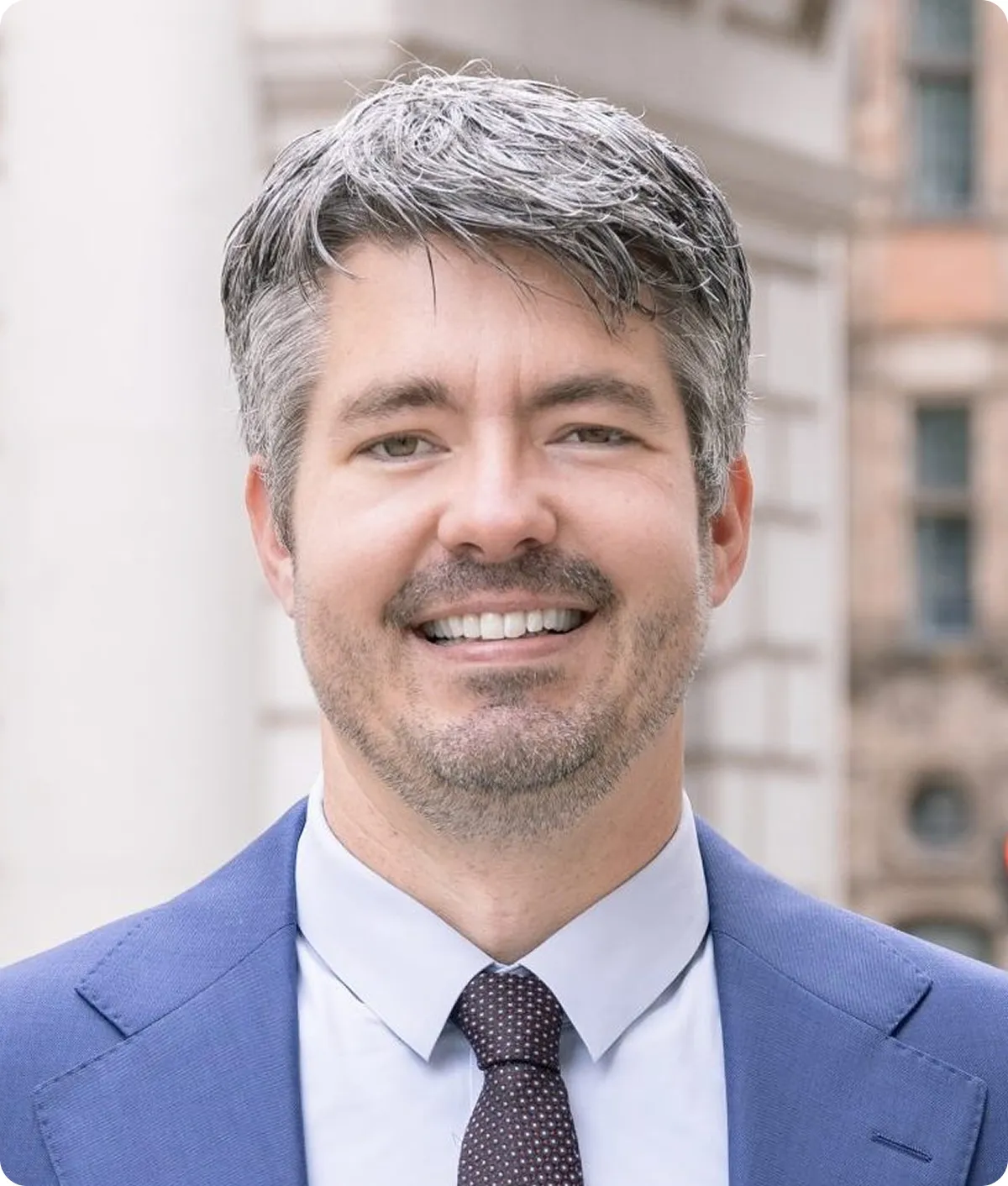
Co-founder Zach Tvarozna was lead investigator on The Big Shor (Open Source Centre, June 2026), which traced tens of billions of dollars through the global financial system. Since then we've briefed more than 30 banks and regulators across the UK, EU and US on the network's typologies. The US Treasury has since designated A7 a transnational criminal organisation, FinCEN has issued red-flag guidance, and the UK's National Crime Agency has alerted industry.

The same Shor network bankrolled Russia's push to swing Moldova's elections. A New York Times investigation [NYT URL] (August 2026) found the operation paid around 38,000 Moldovans $20 million in 2024 alone. It recruited them through 240 Telegram chatbots, paid Orthodox priests to preach against EU membership, and sent recruits to GRU-supervised training camps in Serbia, Bosnia and Moscow, all leveraging artificial intelligence. The financial plumbing behind sanctions evasion and election interference is the same, so we follow the money across both.
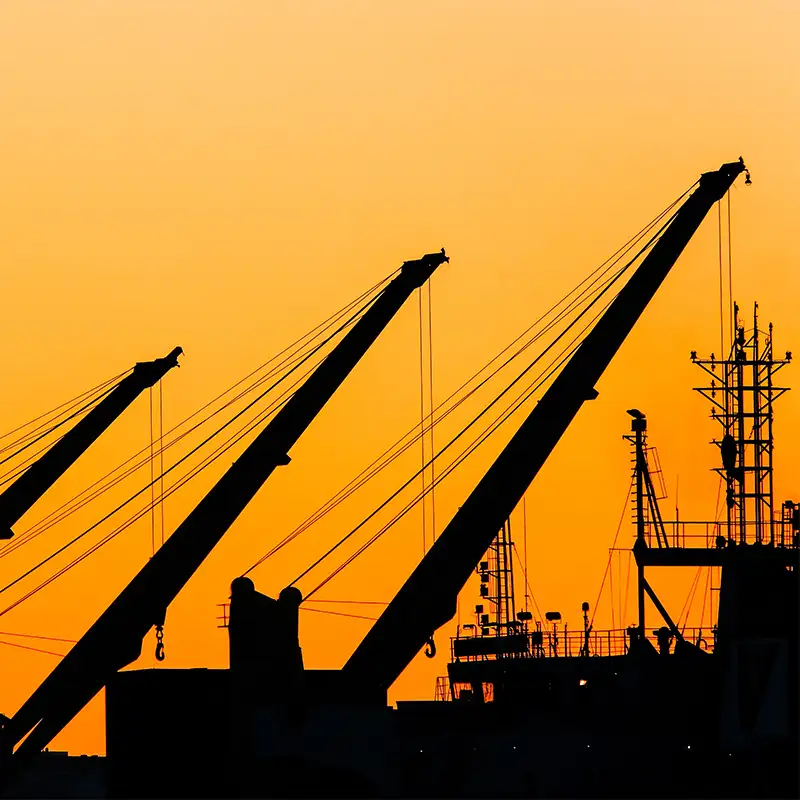
Our open-source investigation identified alleged sanctions evasion in the supply chain for Russian fishing vessels built to a Damen Shipyards design. After media reporting (link) based on our research, Dutch authorities opened a criminal investigation, commercial partners reviewed their exposure, and the UK Royal Navy moved to find new design partners. The case is ongoing.
The Indago Project brings together former government officials, compliance professionals and open-source investigators. We know how enforcement decisions get made and what evidence it takes to move them.
They're on the front line of compliance. We provide threat briefings, typologies and practitioner roundtables, including through a membership programme- members receive our latest analysis, private briefings, and ways to counter emerging threats and typologies.
Evidence briefs packaged for enforcement use, plus insight on emerging typologies and gaps.
We work with investigative journalists to develop and verify stories. We serve as subject matter experts on illicit finance, corruption, fraud and evasion stories helping journalists put the pieces together.
We co-investigate with NGOs and share our methodology and training.
Have a lead or want to work with us?